Freight PRO Number Explained Fast

Your freight is moving, your customer wants answers, and the carrier site is asking for a PRO number. That moment trips up a lot of people because a PRO number sounds technical, but the idea is pretty simple. It’s the shipment ID many freight carriers use to track a load from pickup to delivery.
If you’re staring at a bill of lading, an email confirmation, or a freight portal and wondering what this number actually does, here’s the plain-English version: the PRO number is the tag the carrier uses to follow your shipment through its network. Think of it like the freight world’s scoreboard. Without it, you’re guessing. With it, you can usually see where the shipment is, whether it was transferred, and if delivery is on track or starting to drift sideways.
Freight tracking PRO number explained
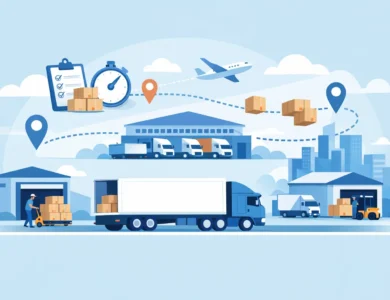
A PRO number is a unique number assigned by the freight carrier to a specific shipment. It is most common in less-than-truckload, or LTL, shipping, where multiple shipments from different customers share trailer space. Since there are several consignments on one truck, the carrier needs a clean way to identify each one as it moves through terminals, linehaul legs, and final delivery.
That’s where the PRO number comes in. It helps the carrier scan, sort, route, and report status updates for your freight. If your shipment is picked up in Dallas, transferred through Memphis, and delivered in Nashville, the PRO number is the thread tying all those events together.
People often confuse the PRO number with other shipping identifiers. That confusion is normal. Freight paperwork is packed with numbers, and not all of them do the same job.
PRO number vs BOL number vs pickup number
The PRO number is not always the same as your bill of lading number. The bill of lading, often called the BOL, is usually created by the shipper. It acts as the main shipping document and includes the origin, destination, freight class, pieces, weight, and handling details. The carrier may use the BOL for reference, but the PRO number is usually the carrier’s own tracking number.
A pickup number is different too. That number may be used to schedule or confirm a pickup request before the shipment is fully processed into the carrier’s system. Once the freight is collected and entered into the network, the PRO number becomes the more useful number for tracking.
Here’s the practical takeaway: if the carrier’s tracking page asks for a PRO number, don’t paste in the BOL number and expect magic. Sometimes a system can cross-reference it, but often it won’t. You need the actual PRO assigned by the carrier.
Who assigns the PRO number?
The carrier assigns it. Not the shipper, not the consignee, and not the broker in most cases. Once the freight carrier accepts the shipment, it generates or attaches the PRO number to that shipment record.
In many LTL operations, the number is created when the driver picks up the freight or when the terminal processes the shipment into the system. On some paperwork, you’ll see a barcode label tied to that PRO number stuck directly onto the freight. That label matters because it helps the carrier scan the shipment at each checkpoint.
This is one reason carrier-specific tracking can get messy. If a broker arranged your shipment, the broker may give you a reference number first. Useful? Yes. Best number for direct carrier tracking? Not always. If you want fast answers, ask for the carrier name and the PRO number together.
Where to find your PRO number
If you need the number now, start with the places where shipping details usually live. Check your bill of lading, shipment confirmation email, carrier invoice, pickup record, or broker portal. Some carriers print the PRO number clearly near the top of the freight bill. Others bury it under labels like “tracking number,” “freight bill number,” or just “PRO.”
If you still can’t find it, call or message the company that arranged the shipment. If you’re the consignee waiting on freight, contact the shipper first and ask for the carrier name and PRO number. If a third-party logistics company handled the load, ask them not just for a reference, but for the actual carrier tracking number.
This matters because freight delays are easier to fix when you can name the shipment exactly. Saying “my pallet was supposed to arrive Thursday” is weak. Saying “I need status on PRO 123456789” gets you into the right lane faster.
How freight tracking works with a PRO number
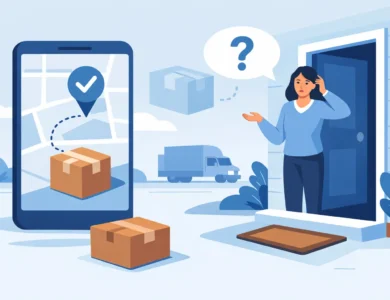
Once you enter the PRO number on the carrier’s tracking page, you’ll usually see milestone updates. Those updates can include pickup confirmed, arrived at terminal, departed terminal, out for delivery, delivered, or exception status. In a healthy shipment, the sequence is clear and steady.
But freight tracking is not always pretty. A shipment can sit without updates for a while, especially over weekends, during terminal congestion, or if a manual scan was missed. That doesn’t always mean the freight is lost. It can mean the physical freight is moving while the digital trail is lagging behind.
This is where patience and pressure both matter. If the status has not changed for a day on a long-haul move, that may be normal. If there’s no update for several business days and the estimated delivery date has passed, it’s time to call.
Why your PRO number might not work
A non-working PRO number usually comes down to one of a few issues. The first is simple data entry. Freight numbers are easy to mistype, especially if a 0 looks like an O or a 1 looks like an I on a blurry document.
The second issue is timing. A newly assigned PRO number may not show results instantly if the carrier’s public tracking system has not refreshed yet. That gap can last a few hours, and sometimes longer if the shipment was picked up late in the day.
The third issue is using the wrong carrier website. This happens all the time when brokers or marketplaces are involved. You may have the right number but be checking the wrong carrier. A PRO number is usually only useful inside the network of the carrier that created it.
Then there’s the messy scenario: the shipment was reconsigned, transferred, or handled by a partner carrier. In that case, the original PRO may still exist, but the visibility can get patchy unless someone gives you the updated movement details.
What to do if tracking stops moving
When a PRO number shows no progress, don’t just refresh the page like it owes you money. Start by confirming the carrier name, ship date, and destination. Then verify the number itself from the original document.
If the information is correct, contact the carrier’s customer service or the broker who booked the shipment. Ask a direct question: what is the latest scan event, what terminal has the freight, and what is the revised delivery estimate? Those three questions cut through a lot of fluff.
If the freight is urgent, ask whether there is an exception, damage hold, appointment issue, weather delay, or missed transfer. Freight can stall for reasons that never show up clearly on the public tracking page. The online status is useful, but it is not the whole story.
Why PRO numbers matter more in LTL freight
In parcel shipping, people are used to clean consumer-facing tracking. Freight is rougher. It involves docks, pallets, transfers, forklifts, appointment windows, and more human handling. A single LTL shipment may touch multiple terminals before final delivery. Every handoff creates another chance for delay, mis-scan, or confusion.
That’s why the PRO number matters so much. It is the anchor point in a system that can otherwise feel like a fog bank. If you run a small business, manage inbound inventory, or need a jobsite delivery to hit on time, the PRO number gives you the fastest way to ask smarter questions and get real answers.
It also helps with claims and proof of delivery. If freight arrives damaged or short, the PRO number ties your issue back to the shipment record. That can matter when you need paperwork, timestamps, or terminal history later.
Freight tracking PRO number explained for everyday users
If all this still feels too industry-heavy, strip it down to one sentence: a PRO number is the carrier’s tracking number for your freight shipment.
That means if you bought a large item, arranged pallet shipping, or sent commercial goods through an LTL carrier, the PRO number is often the best tool you have to monitor the load. It’s not fancy. It’s not mysterious. It’s just the number that tells the carrier’s system, and the people behind it, exactly which shipment you’re talking about.
The smartest move is to save that number the second you get it. Put it in your email subject line, your dispatch notes, or your order record. When freight starts drifting off schedule, speed matters. You don’t want to go hunting through attachments while your customer, receiver, or crew is waiting.
If you’re trying to make shipping less chaotic, this is one of those small details that punches above its weight. Get the PRO number early, track with the right carrier, and when the status stops making sense, push for answers now, not later. For more straight-shot shipping explainers, you can also browse https://promethazinephenergan.online/.