Best Micro Excavator for Small Jobs
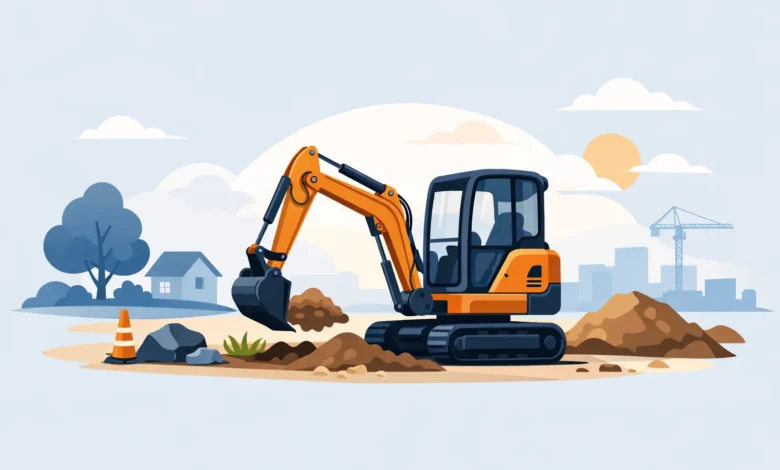
That tight side yard, that backyard trench, that one repair job with no room to swing – this is where the wrong machine burns time and money fast. Go too big and you tear up turf, fight access, and spend half the day repositioning. Go too small and you end up babysitting a machine that just cannot dig with enough speed or reach.
If you are trying to find the best micro excavator for small jobs, the real answer is not one magic model. It is the machine that fits your access width, lift needs, digging depth, and budget without boxing you into a weak, underpowered setup. That is the line you need to walk.
What counts as the best micro excavator for small jobs?
For most buyers, a micro excavator means a machine in the sub-1 ton to roughly 1.2 ton class. These are the compact diggers built for narrow gates, indoor demolition, utility work, landscaping, cemetery work, and residential jobs where a standard mini excavator starts feeling like a battering ram in a hallway.
The best one is usually not the one with the biggest engine or the highest sticker price. It is the one that gets through your access point cleanly, stays stable enough for the tasks you actually do, and gives you just enough dig depth and breakout force to avoid constant workarounds.
That last part matters. A lot of shoppers fixate on compact size and forget the work. If you need to pull stumps, dig footings, or move dense material all week, the tiniest machine on the market may fit the gate but still lose you money on production.
Start with the access problem first
Small-job excavator buying usually starts with one simple question – what is the narrowest space you must pass through?
If your routine work involves backyard gates, alley access, or interior demo, width becomes the first filter. Some micro excavators are narrow enough to pass through tight residential gates with little or no disassembly. That is a huge advantage when every extra minute on site counts.
But narrow machines come with trade-offs. A slimmer undercarriage can mean less stability, especially when you are reaching off to the side or lifting material instead of just digging. Zero tail swing also helps in confined spaces, but it does not erase physics. Tiny footprint, tiny machine weight, tiny margin for bad positioning.
So be honest about your jobs. If access is tight only once in a while, buying the absolute smallest unit may not be the smartest move. If tight access is your business, then small size is not a convenience. It is the whole game.
The specs that actually matter
Shoppers get buried in brochures. Cut through the noise and focus on five things.
Dig depth matters because it decides whether the machine can finish the trench or make you stop and improvise. For light landscaping, shallow utility runs, and drainage work, a modest dig depth may be enough. For plumbing repairs or deeper service lines, a little extra reach saves real labor.
Operating weight matters because it affects stability, towing, and the amount of ground disturbance you create. Lighter machines are easier to transport and gentler on finished surfaces. Heavier machines usually feel more planted and capable.
Bucket breakout force tells you how much bite the machine has in compacted soil. This is where some bargain models fall flat. On soft dirt, they look fine. On hard clay or mixed fill, they start feeling like toys.
Hydraulic flow matters if you plan to use attachments like augers, breakers, or specialty buckets. If attachments are part of the plan, do not treat auxiliary hydraulics like a footnote.
Track width and undercarriage design affect both access and confidence on uneven ground. Retractable tracks are especially useful in this category because they give you a narrow travel profile and a wider working stance once you are through the pinch point.
Best micro excavator for small jobs: top machine types to consider
Instead of pretending one machine wins for everybody, it makes more sense to group the best options by use case.
For backyard access and residential landscaping
A true micro excavator with retractable tracks is often the best fit. Machines in this class are built to sneak through gates, work around fences, and minimize lawn damage. Models from Kubota, Bobcat, Yanmar, and Takeuchi are common names here because dealer support is broad and attachment compatibility is usually better than what you get from off-brand imports.
If your work is trenching irrigation, grading planting areas, or handling light drainage jobs, a compact unit with a dozer blade and simple controls is often enough. You do not need monster power. You need maneuverability and predictable hydraulics.
For plumbers, utility contractors, and repair crews
This is where a premium micro excavator starts making sense. A contractor doing emergency line work cannot afford weak cycle times or unreliable starts. Brands like Kubota and Bobcat tend to stay high on shortlists because parts access, resale, and service networks are stronger in many US markets.
The ideal machine here usually balances narrow access with enough dig depth for service work. Fast setup, dependable cold starts, and transport ease matter just as much as raw digging numbers because these jobs are often urgent.
For interior demolition and enclosed-space work
Electric and ultra-compact micro excavators deserve a look if you work in basements, commercial interiors, or noise-sensitive environments. They are not the default choice for every contractor because run time and charging logistics can complicate the day. But in the right setting, low emissions and quiet operation are a real advantage.
This is one of those it-depends decisions. If most of your jobs are outside and all-day long, diesel still makes life easier. If your money jobs happen indoors, electric stops being a novelty and starts becoming a tool.
Brand-by-brand reality check
Kubota is often the safe pick. Not flashy, not cheap, but consistently strong in reliability, parts support, and operator familiarity. If you want low drama and solid resale, Kubota belongs near the top.
Bobcat usually gets attention for compact equipment versatility and widespread dealer presence. For buyers who already run Bobcat loaders or attachments, staying in the same ecosystem can simplify maintenance and training.
Yanmar brings a strong reputation in compact diesel equipment and smooth hydraulics. In some regions, it can be an excellent value if dealer coverage is good. That last part matters more than spec-sheet bragging.
Takeuchi is respected by operators who want durable compact machines with a work-first feel. Depending on your market, used Takeuchi units can be worth a close look if the machine has been maintained properly.
Then there are lower-cost import brands. Some buyers get a decent machine and save money up front. Others save on day one and pay for it later with slow parts delivery, limited dealer support, and sketchy resale. If this machine is mission-critical, cheap can get expensive fast.
New vs used changes the answer
If you are buying new, you are usually paying for warranty coverage, financing flexibility, and fewer surprises. That makes sense for contractors who rely on the machine every week and cannot afford downtime.
If you are buying used, inspection discipline matters more than brand hype. Check pin and bushing wear, undercarriage condition, hydraulic leaks, cold-start behavior, and service records. A clean-looking machine with sloppy hydraulics is trouble wearing fresh paint.
Used can absolutely be the smarter buy for small operators, especially if you only need the machine part-time. Just do not shop used with a gambler’s mindset. Know what failure costs you.
The mistake people make when choosing a micro excavator
They buy for the smallest possible job, not the most common one.
Yes, the machine needs to fit the tightest access point you deal with. But if 80 percent of your work needs more reach, more lift, or more stability, an ultra-micro model can become a daily frustration. You will still finish the job. You will just do it slower, with more repositioning, and more operator fatigue.
That is why the best micro excavator for small jobs is often the smallest machine that still feels like a real production tool. Not a novelty. Not a compromise you regret after week two.
So which one should you buy?
If your work is heavily residential and access is brutal, start with a reputable micro excavator from Kubota, Bobcat, Yanmar, or Takeuchi in the true narrow-access class. Prioritize retractable tracks, reliable auxiliary hydraulics, and dealer support close to home.
If your small jobs still demand real digging muscle, step slightly up in size instead of chasing the tiniest footprint on the market. A little more machine can save a lot of labor.
If budget is tight, a well-maintained used unit from a known brand is usually a smarter bet than a brand-new bargain model with weak support. When something breaks, support is not a luxury. It is the difference between working and waiting.
And if you are comparing options fast, keep the order simple: measure your access, define your deepest trench, decide whether attachments matter, then buy the machine that covers those needs without dead weight.
That is how you avoid buying a machine that looks good in the yard but turns into dead steel on the job. For more straight-to-the-point equipment breakdowns, Promethazinephenergan.online follows the same rule your crew does – find the problem, cut the noise, and move.