How to Use a Central Transport Pro Number
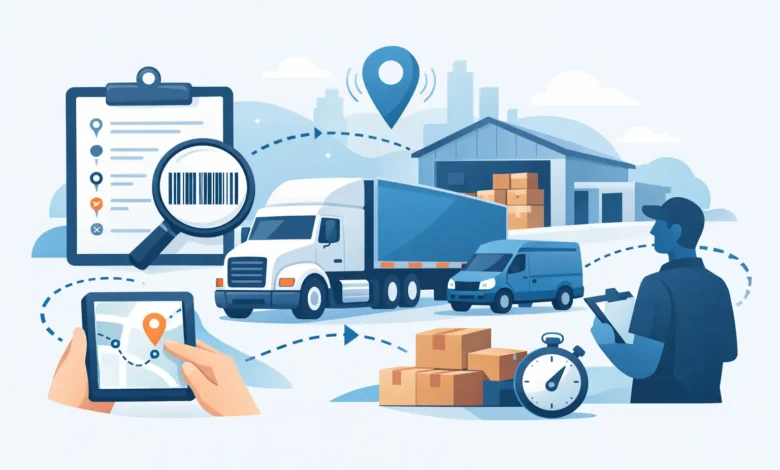
That freight shipment can feel like it vanished into thin air. One minute it was picked up, the next minute your customer is calling, your dock team is asking questions, and you are staring at a tracking page wondering what a PRO number even does.
If you are searching for a central transport tracking pro number, you are usually not browsing for fun. You need an answer now. The good news is that a PRO number is the key piece of information that usually gets you closest to your freight status with Central Transport and other LTL carriers.
What a central transport tracking pro number actually is
A PRO number is the shipment identification number assigned by the carrier. In plain English, it is the freight shipment’s tracking ID. When Central Transport picks up or processes an LTL shipment, that move is tied to a PRO number so the carrier can follow it through terminals, transfers, and final delivery.
Think of it like the freight world’s license plate. Your order number might matter to your company. Your purchase order might matter to your accounting team. But the carrier’s system usually cares most about the PRO number.
That distinction matters because people often try to track freight with the wrong number. They enter a customer reference, an invoice number, or a bill of lading number and expect instant results. Sometimes that works if the system supports it. Often, it does not. The PRO number is usually the fastest route.
How to find your Central Transport PRO number
If you do not have the PRO number in front of you, do not panic. You are not stuck. There are a few common places to look, and one of them usually gets the job done.
First, check the bill of lading. If the shipment has already been picked up and processed, the PRO number is often attached to the BOL paperwork or freight receipt. It may be printed clearly, or it may appear near shipment reference details.
Second, look through your shipping confirmation emails. If your warehouse, broker, seller, or customer service team sent an update after dispatch, the PRO number may be listed there. This is especially common when a business is trying to give the receiver a way to monitor the load.
Third, ask the shipper directly. If you are the consignee waiting for freight, the sender often has the PRO number before you do. They booked the shipment, they got the pickup paperwork, and they may already have the tracking details sitting in their system.
If none of that works, contact Central Transport customer support with backup details like the shipper name, consignee name, pickup date, destination ZIP code, and bill of lading number. You may still be able to locate the shipment, but it usually takes longer than using the PRO number right away.
How central transport tracking pro number searches usually work
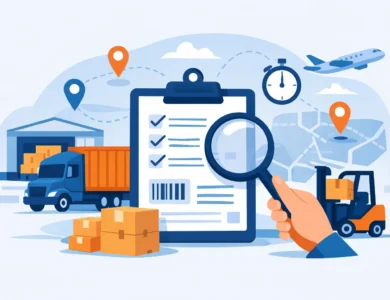
Once you have the number, tracking is usually straightforward. You enter the PRO number into Central Transport’s shipment tracking tool and review the latest scan events tied to that freight movement.
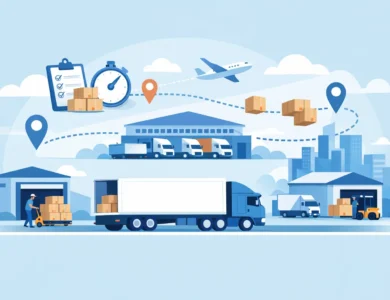
What you see depends on how often the shipment is scanned and where it is in the network. LTL freight does not move like a small parcel dropped at your front door. It may go through terminals, cross-docks, linehaul transfers, and delivery scheduling steps. That means updates may come in stages rather than minute by minute.
A normal shipment might show pickup confirmation, in-transit movement through one or more terminals, arrival at destination terminal, and then out-for-delivery or delivered status. If you are expecting constant real-time pings, freight tracking can feel slower. That does not automatically mean something is wrong.
What shipment statuses usually mean
Freight status messages can look simple on the surface and still leave you guessing. Here is the practical read on the most common ones.
If the shipment shows picked up, Central Transport has taken possession of the freight. That is the handoff point. It does not mean the shipment is close to delivery yet.
If it shows in transit, the freight is moving through the network. That can mean it is on a trailer, sitting at a terminal waiting for the next leg, or being sorted for transfer. In LTL shipping, in transit is a broad label.
If it shows arrived at terminal, that usually means the freight reached a Central Transport facility. Whether that is good news depends on which terminal it reached. If it is the destination terminal, delivery is getting closer. If it is an intermediate terminal, there may still be another move ahead.
If the status says out for delivery, now you are getting somewhere. That usually means the freight has been assigned for final delivery that day or the next available route window.
If it says exception or shows a delay, do not ignore it. That can point to weather, address issues, appointment scheduling, missing paperwork, damaged freight, or a missed linehaul connection. This is where waiting quietly can cost you time.
Why your PRO number is not working
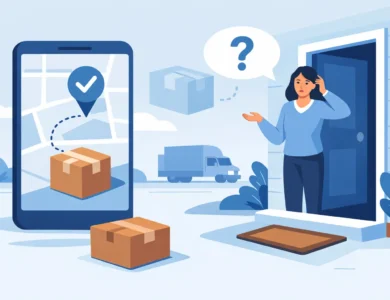
This is where people get jammed up. You have the number. You enter it. Nothing comes back. That does not always mean the shipment is gone.
One possibility is timing. If the freight was just picked up, the PRO number may not be active in the public-facing tracking system yet. Carriers need time to scan and upload shipment data.
Another possibility is a typo. One wrong digit is enough to send you in circles. Double-check the number from the original document, especially if it was copied from a blurry photo, handwritten BOL, or forwarded email.
It is also possible you are using the wrong reference number entirely. People confuse PRO numbers with BOL numbers all the time. They are related, but they are not the same thing.
And yes, sometimes the system is simply behind. Freight networks are physical operations with digital layers added on top. Most days those layers work fine. Some days they lag. That is not what you want to hear when a customer is waiting, but it is reality.
When to stop refreshing and start calling
There is a point where refreshing the tracking page becomes dead time. If the shipment has not updated beyond the expected transit window, or if the status shows an exception without clear detail, get on the phone.
Call when delivery is time-sensitive, when the freight contains critical parts or jobsite equipment, or when a customer is threatening chargebacks or cancellations. The longer you wait, the less room you have to fix the problem.
Have your facts ready before you call. Keep the PRO number, shipper and consignee names, shipment date, delivery address, and any appointment information in front of you. The faster you give clean details, the faster support can help.
This matters even more for business freight. A delayed pallet of flooring, machine parts, or retail inventory can throw off labor schedules and customer commitments fast. In freight, lost time turns into real money.
Central Transport PRO number vs other tracking numbers
A lot of confusion comes from mixing freight tracking with parcel tracking. UPS, FedEx parcel, and Amazon-style delivery systems train people to expect one code that follows every step in an ultra-clean timeline. LTL carriers work differently.
With Central Transport, the PRO number is usually the most useful carrier-specific identifier for shipment tracking. A bill of lading number is created at the shipping document level. A purchase order number belongs to the buyer’s internal process. A customer reference number may only make sense inside one company’s system.
That is why the PRO number tends to be the strongest tool when you need to cut through the noise. If you have it, use it first.
Best next steps if your freight is delayed
If your tracking status has gone cold, do three things fast. Verify the PRO number, confirm the delivery address and appointment details, and contact the carrier or shipper for live clarification.
If you are the receiver, also ask whether there were reweigh, reclass, paperwork, or accessorial issues. Those freight-specific problems do not always show clearly in public tracking, but they can stall delivery behind the scenes.
If the shipment is tied to a customer order or active job, communicate early. Do not wait until the missed delivery becomes a fire. A short heads-up now can save a bigger argument later.
Sites like https://promethazinephenergan.online cover freight tracking topics because people need quick, usable answers under pressure, not vague filler. This is one of those moments where clear action beats guesswork.
Using a central transport tracking pro number the smart way
The smart move is simple. Treat the PRO number like the shipment’s master key. Save it the moment you get it. Share it with the customer, receiver, or field team that needs visibility. Keep it attached to your order notes so nobody wastes time hunting for it later.
Not every freight delay means disaster, and not every silent tracking page means the shipment is lost. But when you know what the PRO number is, where to find it, and when to escalate, you are no longer stuck watching the screen and hoping. You are moving the shipment forward, or at least forcing the answer into daylight.